
Your bank might let you deposit the check, but the issuing bank can reject it. If this happens, your account may lose funds, and you could be charged a Outsource Invoicing penalty instead. Treasury (a federal tax refund, for example) are good for 12 months after the date they’re issued. A check from a state government is generally valid for six months to a year, though that can vary by state.
What are the risks of cashing a stale-dated check?
The original entry was recorded under “Disbursements.” Record the uncashed check in the disbursement column again and place parentheses around the amount. (Some computer programs allow for a negative or minus sign instead of parentheses.) This reverses the original transaction and does not add to the gross receipts. At Eisen, we are committed to simplifying the escheatment process for financial institutions. Our Escheatment Hub automates key aspects of managing outstanding checks, ensuring effortless and reliable compliance.
Bouncing checks
It might be worth checking with your bank or financial institution to get a better sense as to the fees you could get charged. The most important thing when issuing a cheque is to make sure there are enough funds in your bank account to cover the amount. Your financial institution will most likely charge a non-sufficient funds fee if you don’t have enough funds in your account. Banks and financial institutions consider a cheque to be stale-dated when it becomes too old, which is usually after six months.
- A “stale” check — one that hasn’t been cashed within six months of the original issue date — can cause you problems and cost you in bank fees.
- The payee can present the check at the bank and get paid when the bank makes the necessary checks.
- If the business owner fails to deposit his business checks in the bank within the notified time on them, they become stale.
- In contrast, the bank may also request a new check from the payee.
- Felony convictions can lead to fines reaching $10,000 or more and imprisonment that can extend for several years.
Unclaimed Property Laws and Escheatment
- Yes, the same expiration rules apply whether you deposit physically or through a mobile app.
- If you find an uncashed check from a company, its date might make you question its validity.
- When this happens the only way to accurately process the cheque is if the cheque writer or issuer changes the date or issues a new cheque that’s up-to-date.
- If the bank rejects the check, these codes are printed on the returned item, that is, the PRD printout.
- To avoid financial loss or the hassle of complex claim procedures, promptly deposit the check within one month.
Unclear check should be recorded in a separate account (Uncleared Check) in the balance sheet so that it will alert staff every month end. It is also easy for the management to review the financial statement and pay attention to long outstanding uncleared checks. – If you’re the one who wrote the check and it has yet to be cashed, check with the recipient to see if they still plan to cash it. Almost every state requires a business to perform due diligence by contacting the owner of the unclaimed property.
Unraveling the Concept of Stale-Dated Checks in Banking and Finance
A check is a document that serves as an order to a bank to pay another party. Usually, an account holder will have a check book that they can use as a form to request this payment. Using this document, the account holder can make a request from their bank to use a specified amount from their account. There are several features that checks can have, such as date, payer, payee, amount, etc.

To find out if a state is holding your funds, you can search the official unclaimed property websites for every state where you have lived or worked. National search tools can also help you check multiple states at once. The claims process is free and requires you to provide proof of your identity and connection to the address on record for the unclaimed funds. Yes, uncashed checks are considered income if you received documentation, such as W-2 and 1099 forms, that includes them. If you receive a check, your company policy may include depositing it within one month to ensure you do not lose it. Also, your policy should clearly outline what you are going to do if a recipient does not cash a check that you’ve issued.

What happens if we cash the stale check?
Banks are not obligated to cash checks more stale dated checks than six months after the check date, although they may choose to do so anyway. Outstanding checks are checks that have not been deposited or cashed by the recipient. Because the recipient has not cashed the check, the payor still has the money in their account. The payor still owes the payee money, making the payment a liability. When you write a check that goes uncashed, you may wonder what to do.
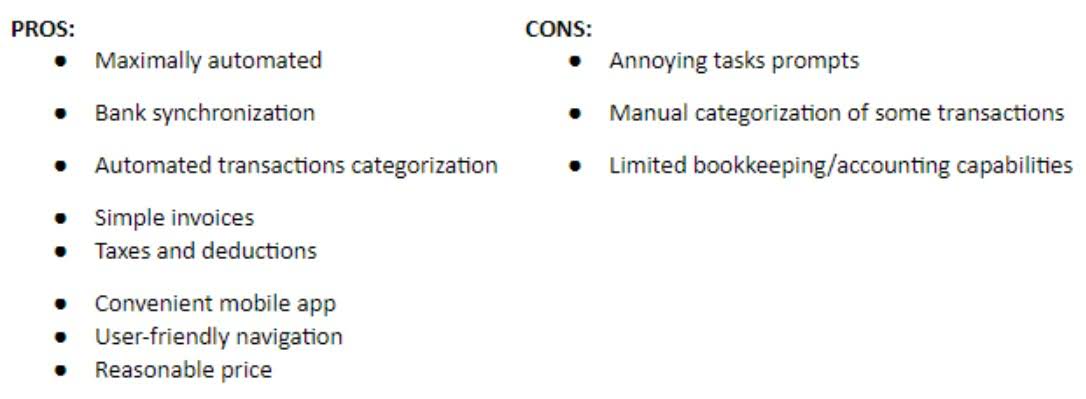
Remember that escheatment laws require companies to turn over unclaimed funds. As the rightful owner of these funds, the state should hold them in case you claim them. The company may be willing to reissue the check or make an electronic payment. If you haven’t had any luck contacting the check issuer, consider working with your bank. Uncashed checks to vendors, contractors, payroll, and shareholder dividends unearned revenue are all potential unclaimed property. As a small business owner, you can use accounting software to manage your payment methods.
Streamline your accounting and save time
If the business owner fails to deposit his business checks in the bank within the notified time on them, they become stale. An important point here to note is even if these checks become stale, it does not imply they have become void and cannot be encashed. The only condition in this situation is the financial institution has a right over the refusal of the check.